Topic:
Resource Type:
Results:

How to Teach Irregular Past Tense Verbs to Children
How to Teach Irregular Past Tense Verbs Irregular past tense verbs are verbs that change forms when they are used in the past tense. "Run" becomes "ran". "Sit" becomes "sat". On this page, we'll show you how to teach irregular past tense verbs in speech therapy, at home,
Sequencing Activities for Kids | Sequencing Skills
Sequencing Activities for Speech Therapy Sequencing is the skill that we use when we break down an event into simple steps and put those steps in order. We need sequencing skills to talk about something that happened in the past in a logical manner so others can

5 Tips for Eliciting the /k/ and /g/ Sounds in Speech Therapy
Do you have any children struggling to say those tricky /k/ and /g/ sounds? Jenna Rayburn from Speech Room News is here to help! Check out these 5 tips...ok, well it's really more like 7 or 8 tips...to help your children or students say that tricky /k/ and /g/
Speech Therapy for Stuttering: Exercises to Help a Stuttering Child
Speech Therapy for Stuttering: Exercises to Help a Stuttering Child How can we help children and teens who stutter? There are many speech therapy techniques and exercises that we can use to help individuals speak more fluently. On this page, we'll show you how to do speech therapy
Childhood Apraxia of Speech Goals | CAS Speech Therapy
Apraxia of Speech Goals: Looking for speech therapy goal ideas for childhood apraxia of speech (CAS)? You've come to the right place! This page contains sample speech therapy goals for children with childhood apraxia of speech. Plus, we'll show you how to target those goals in therapy
Speech and Language Therapy Guide PLUS All-In-One Articulation Program and Materials Kit
⬅ Back to Speech and Language Kids Store View Shopping Cart Add to Cart Speech and Language Therapy Guide PLUS All-In-One Articulation Program and Materials Kit eBook Our two most popular products together! Worksheets and
Speech and Language Therapy Guide
⬅ Back to Speech and Language Kids Store View Shopping Cart Add to Cart Speech and Language Therapy Guide PLUS All-In-One Articulation Program and Materials Kit eBook. My two most popular products together! Speech and Language

Main Idea and Supporting Details | Examples and Activities
Main Idea and Supporting Details | Examples and Activities Main idea = "what it's all about" Supporting details = "pieces of information" Teaching these key concepts to children can boost their reading and writing skills and help them better understand and produce written language. This page contains
Articulation and Phonological Therapy Approaches: How to Choose
Articulation Therapy or Phonological Therapy: Which Therapy Approach to Use Which therapy approach should you use when a child struggles to say sounds correctly? Articulation Therapy Approach? Phonological Therapy Approach? Something else? This page will explain the difference between an articulation therapy approach and a phonological therapy approach
Cycles Approach for Speech Therapy | Steps and Therapy Plan
Cycles Approach for Speech Therapy | Cycles for Phonology When a child is highly unintelligible (very hard to understand), we can use a Cycles Approach to help them catch up in speech more quickly. A Cycles Approach improves speech production by targeting each speech error for a short time
Joint Attention Speech Therapy | Activities and Strategies
Joint Attention Speech Therapy | Activities and Strategies Hello? Can you hear me? What do we do if a child is not responding or even paying attention to us when we try to work with them? On this page, we'll share some activities and strategies that you can
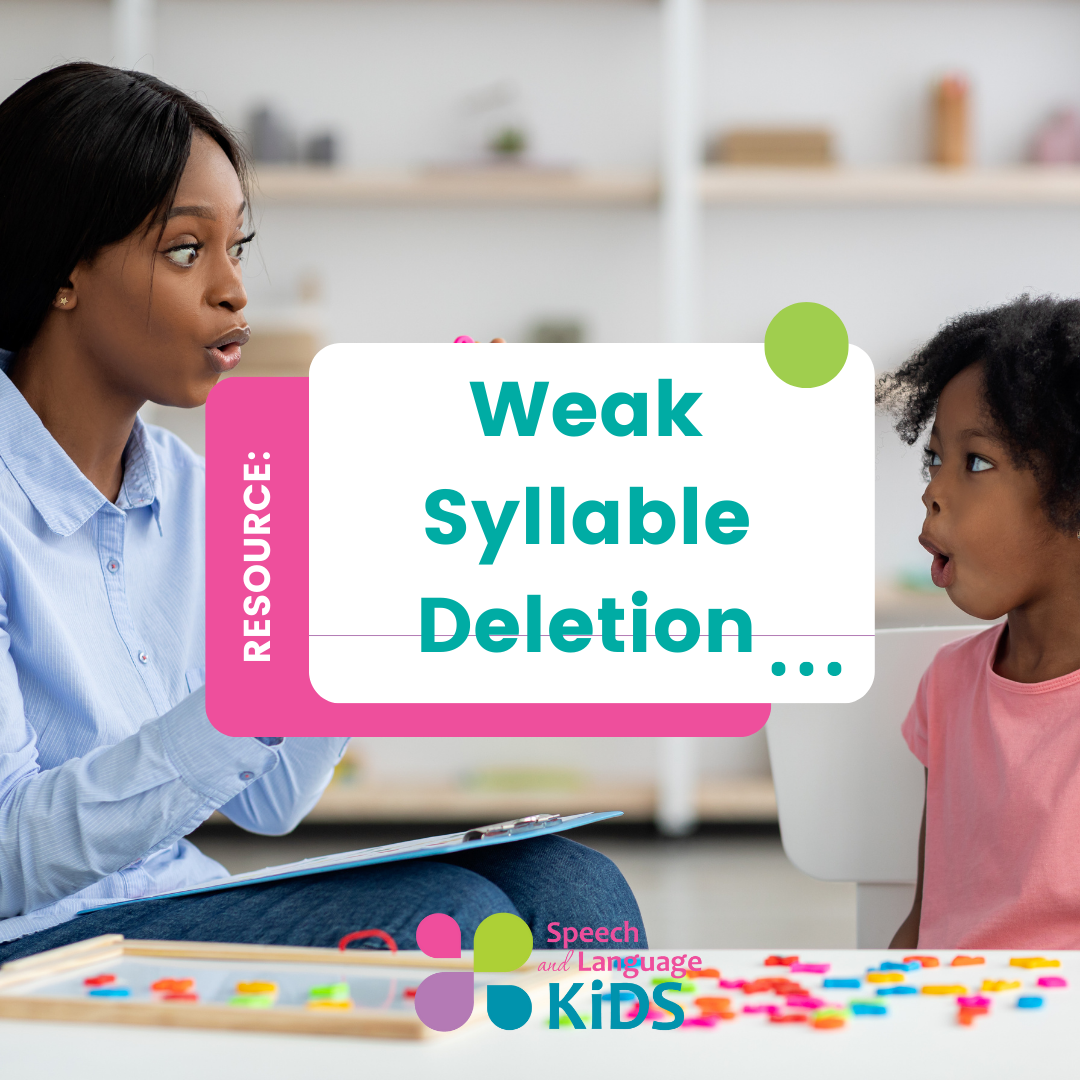
Weak Syllable Deletion: Speech Therapy for Syllable Reduction
Weak Syllable Deletion: How to Treat Syllable Reduction in Children "Umbrella" becomes "brella" "Butterfly" becomes "buffly" It's common for young children to simplify long words by dropping out the weakest syllable. But if a child is still doing this after 4 years of age, speech therapy exercises can
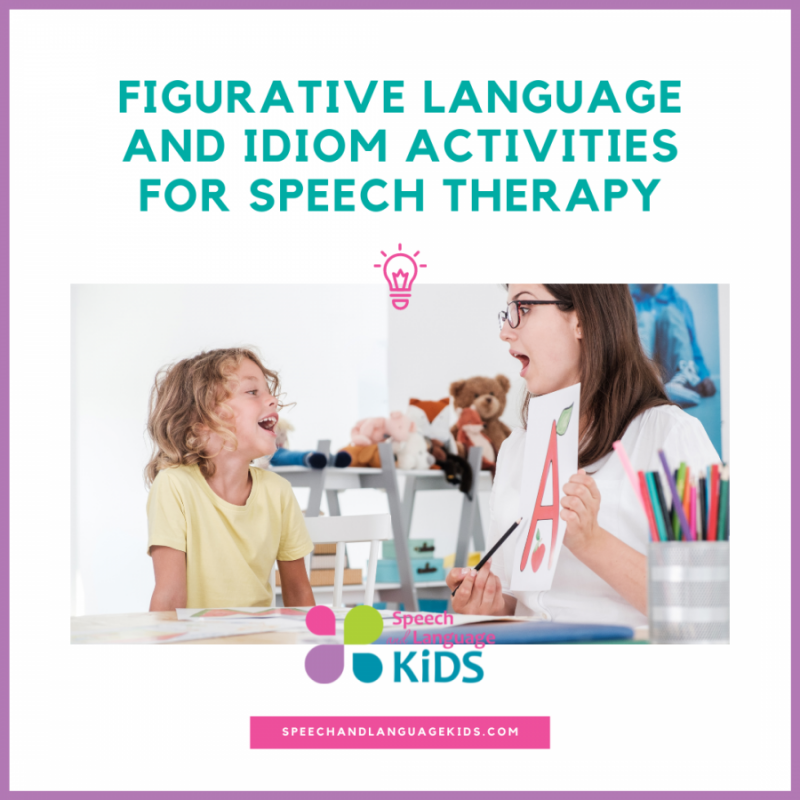
Figurative Language Examples and Speech Therapy Activities
Figurative Language Examples and Speech Therapy Activities Have you been bending over backwards trying to teach your students figurative language? Are they left high and dry when idioms are used in their classrooms? Well I’m going to take the bull by the horns and knock your socks off with
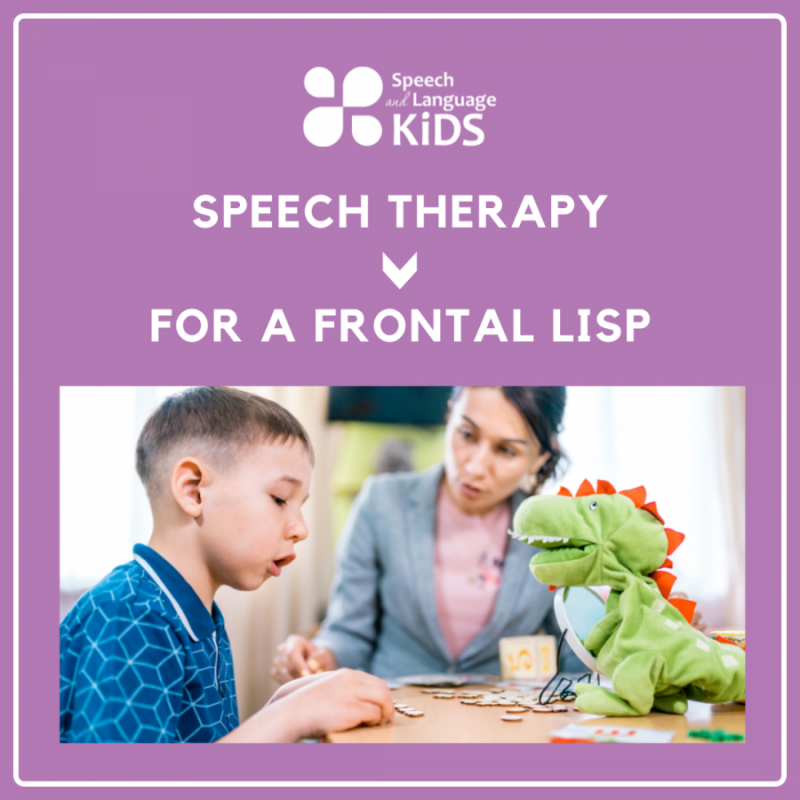
Frontal Lisp/Interdental Lisp | Speech Therapy Ideas & Word Lists
Frontal Lisp / Interdental Lisp | How to Fix it A frontal lisp, or interdental lisp, occurs when a child pushes their tongue out between their teeth on sounds like /s/, /z/, "sh", and "ch". We can help these children fix their speech errors with speech therapy techniques.
Final Consonant Deletion | Activities, Words, and Goals
Final Consonant Deletion | Activities, Words, and Goals Final consonant deletion is a phonological process (pattern of speech errors) where a child drops off the ending consonants of all words. Final Consonant Deletion Examples: “dog” becomes “dah” “cat” becomes “ca” And “Please Mom, can I eat some eggs and
Phonological Awareness Hierarchy, Skills, and Goals
Phonological Awareness Hierarchy and Speech Therapy Goals Rhyming, alliteration, syllabification, blending, etc. These phonological awareness skills are crucial to literacy and reading success. This page will give you the hierarchy of phonological awareness skills and the order in which to teach them. Plus, we'll show you how to
Generalization for Speech Therapy | Help Clients Self-Monitor and Carry-Over Skills
Generalization for Speech Therapy | Help Clients Self-Monitor and Carry-Over Skills "They can do it in speech therapy, but they're not carrying it over to the classroom!" How many times have you said this? Carry-over and generalization skills are sometimes the hardest to teach because the client CAN do
Phonological Processes: Definition, Examples, and Therapy
Phonological Processes: Speech Therapy and Activities: When children are learning to speak, they use specific patterns to simplify harder sounds. They may drop off certain sounds to make a word shorter. Or they may swap harder sounds out for easier ones. These error patterns are called phonological processes. They
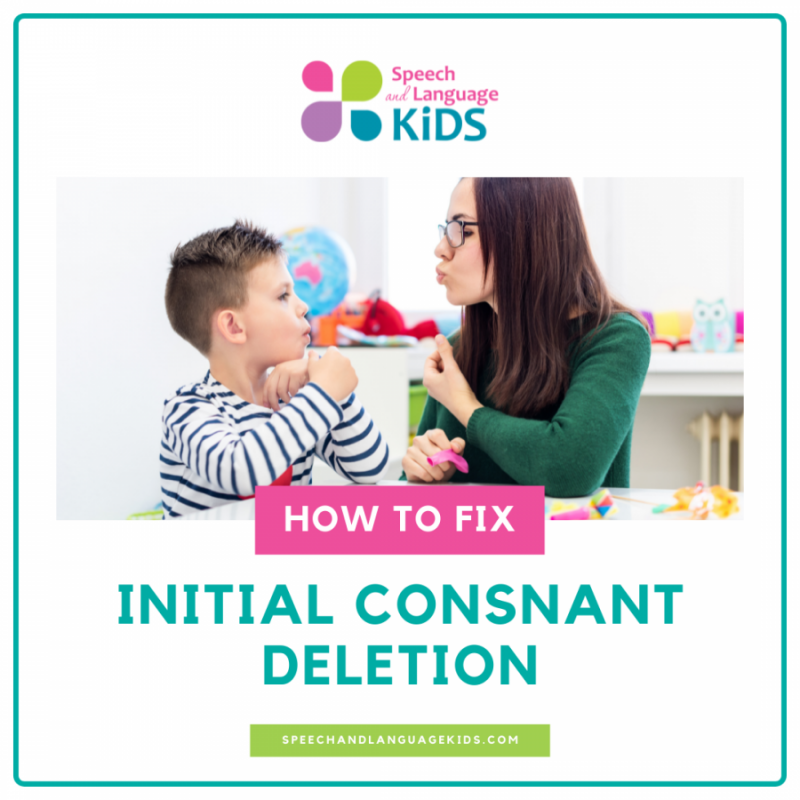
Initial Consonant Deletion: Minimal Pairs and Therapy Activities
Initial Consonant Deletion: Minimal Pairs and Therapy Activities Some children leave off beginning consonants from words. Cat becomes "at" Dog becomes "og" This is called initial consonant deletion and we can help children that are doing this with speech therapy activities. This page will teach you about initial
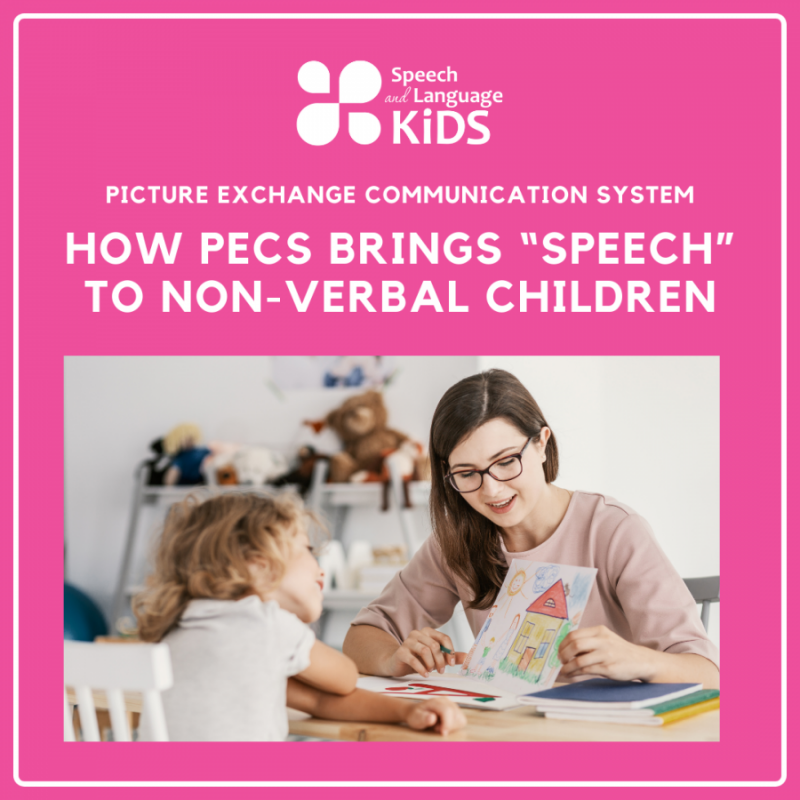
PECS for Autism | Speech Therapy Phases and Strategies
PECS For Autism | Using Pictures to Help Children Communicate The Picture Exchange Communication System (PECS) is a way for non-speaking children to let you know what they need by handing you a picture. While children can use pictures to communicate in a variety of ways, the PECS